858-552-9177


Nutrition plays a meaningful role in hormone balance, reproductive function, and overall fertility—and few understand this connection better than Dr. Li-Shei Lin, MD, PhD, reproductive endocrinologist at Reproductive Partners Fertility Center–San Diego. As an OB-GYN and fertility expert regularly featured in national media, Dr. Lin emphasizes that small, sustainable eating habits can support ovulation, stabilize blood sugar, improve menstrual regularity, and nourish your body throughout pregnancy and menopause. Below are the top evidence-backed nutrition habits recommended by OB-GYNs and fertility specialists to help support reproductive health at every stage of life.
Eating enough and including a variety of nutritious foods in your diet is crucial for hormone production, reproductive function and overall health. Certain eating habits might also support fertility and ease the symptoms of menopause. Here are some eating habits to steal from OB-GYNs.
“Consistency is just as important as what’s on your plate,” says Li-Shei Lin, MD, PhD, an OB-GYN and reproductive endocrinologist at Reproductive Partners Fertility Center in San Diego. Eating regular, balanced meals will help stabilize your blood sugar, “which supports ovulation, energy throughout pregnancy and postpartum recovery, and even mood regulation during perimenopause,” she says.
There’s no “perfect” eating schedule, and consistency might look a little different for everyone based on needs, schedules and preferences. Generally speaking, it’s a good idea to eat three meals a day, and to include snacks so that you’re eating something every three to four hours.
Consistency in eating is one important factor in blood sugar regulation. The other is getting a balance of different nutrients. “Pairing protein, healthy fats, and fiber with complex carbohydrates at each meal helps reduce insulin fluctuations that can interfere with ovulation and hormonal balance,” says Maral Malekzadeh, DO.
When you build a meal, try to include at least one protein source (like meat, fish, soy, eggs or beans), one starch (like whole-grain bread, rice, potatoes, grits or yucca), a fruit or vegetable and some fat from sources like olive oil, avocado, nuts or cheese.
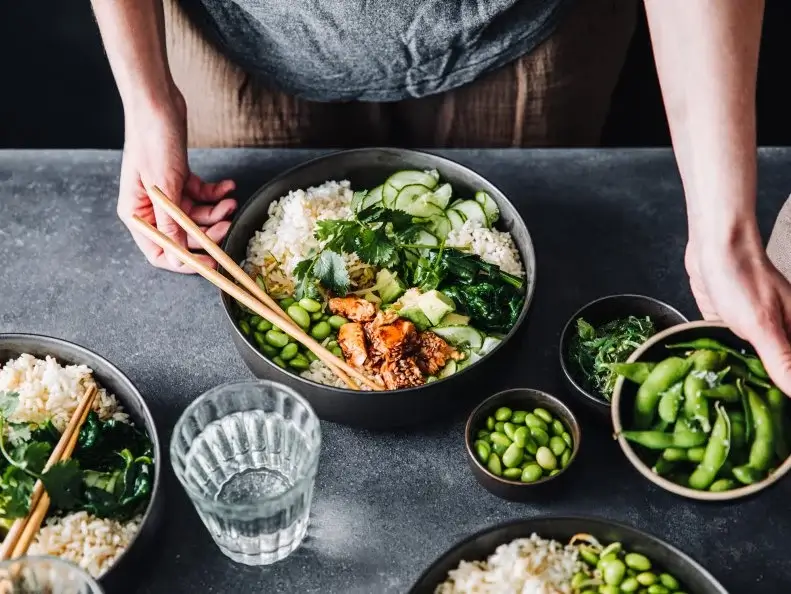
Instead of trying to follow nutrition recommendations to a tee, Dr. Lin recommends choosing nutritious options when you can. “Think roasted salmon with olive oil and lemon, a colorful grain bowl with vegetables and seeds, or yogurt with berries and nuts,” she says.
“The goal isn’t perfection, but nourishment that feels good and is sustainable over time,” she says, adding that you don’t need a “perfect” diet to nourish your fertility or your reproductive health.
“Eating foods rich in omega-3 fatty acids, like salmon, walnuts, and chia, will keep your hormones in check and your ovaries healthy as well,” says Charles Carlsen, MD, and OB-GYN. “The effect, as seen in my clients, is often a regular menstrual cycle with fewer complaints of pain or irregular menses among those who eat a balanced intake of omega-3 fatty acids.”
“During pregnancy, your protein intake requirements increase,” says Sasha Hakman. She recommends that most people aim for 100 grams of protein per day, sometimes more (based on factors like body size, lean mass and activity levels), even though the official recommended minimum intake is a bit lower than that. Hakman also notes that the body continues to need this amount of protein or more in the postpartum period as it recovers.
Protein is important outside of pregnancy and the postpartum period, too. The amount you need depends on factors like your body size, age, activity level and overall health, but the benefits of getting enough are universal. Protein is essential for many bodily functions, particularly building and maintaining lean muscle mass, which gets more important as we age.
Even if you’re a meat eater, there are benefits to opting for plant-based protein sources sometimes, like lowering your carbon footprint, increasing the variety of nutrients you consume and increasing your fiber consumption.
During and after menopause, there’s also likely some benefit to choosing soy-based plant protein in particular. “Soy products (including soy milk) contain phytoestrogens, which are plant compounds that mimic estrogen’s effects in the body and can help give some relief to menopausal symptoms, especially hot flashes,” says Meghan Rattigan.
“As a fertility doctor, one of the most consistent lifestyle patterns I recommend is the Mediterranean-style diet — mainly because we have robust data to support the benefits of this genre of foods,” says Nirali Shah Jain.
Switching to a Mediterranean diet can seem confusing and intimidating to some people, since its guidelines are a little vague and the foods most often associated with it (seafood, nuts, avocados, extra-virgin olive oil, etc.) are relatively expensive. This guide to the Mediterranean diet is a great introduction that goes over what it is, how you can include some or all of its principles into your eating habits and what the pros and cons are.
Nourishing your hormones doesn’t have to be complicated. Small, sustainable habits can make a meaningful difference in your reproductive health — and Dr. Lin is here to guide you every step of the way. Schedule an appointment with Dr. Lin or one of our double board-certified fertility experts today!
Our skilled fertility specialists are here to help. Contact us today and let’s discuss the next phase of your fertility journey.
Our skilled fertility specialists are here to help. Contact us today and let’s discuss the next phase of your fertility journey.